Moroccan Henna Tattoo
The Ultimate Guide to Moroccan Henna: History, Culture, Traditions and Designs
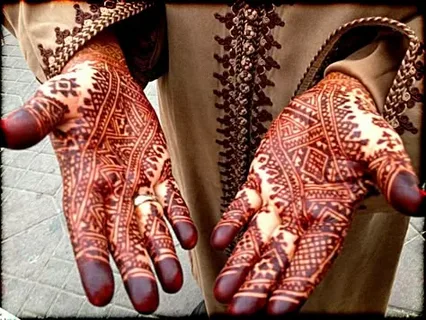
What makes the Moroccan henna tattoo visually distinct is its unique artistic language, which sets it apart from the floral styles of South Asia. Traditional Moroccan henna designs are a direct reflection of the country’s indigenous Berber and Arab influences, characterized by bold, geometric patterns, sharp lines, and symbolic motifs. Triangles represent femininity and fertility, while diamonds and zigzags mimic the ancient designs found on Berber carpets and tribal pottery. This abstract language of symbols is a silent code, with every line telling a story of identity, protection, and connection to the land, making it a living canvas of Moroccan artistry.
At The Morocco Lovers, we believe that to truly understand Morocco, you must look beyond the bustling souks and stunning architecture and delve into the living traditions that color everyday life. Among the most captivating of these is the art of henna (or henna in Arabic). More than just a temporary tattoo, Moroccan henna is a profound expression of joy, spirituality, and identity. It is the scent of celebration, the touch of tradition, and a symbol of good fortune that has adorned Moroccan women for centuries . Join us as we explore the deep roots, intricate designs, and cultural significance of the Moroccan henna tattoo.
The Ancient Roots of Henna in Morocco
The story of henna in Morocco is a tale as old as the caravans that crossed the Sahara. The use of henna can be traced back to ancient times, with some records suggesting its use for its cooling properties in desert climates . However, in Morocco, it evolved into a sophisticated art form with deep spiritual and social connotations .
The "Tree of Paradise": Baraka and Blessings
In Moroccan culture, henna is not merely a cosmetic product; it is considered a blessed material. The henna plant (Lawsonia inermis) is often referred to as a “tree that grows in paradise,” and it is said that its flower was a favorite of the Prophet Mohammed . This religious connotation imbues the plant itself with baraka—a concept of spiritual blessings, divine presence, and protective power .
It is believed that anything infused with henna, from a bride’s skin to a newborn’s hand, is touched by this positive force, warding off evil spirits and bringing good luck . This belief elevates henna from a simple dye to a powerful talisman, deeply woven into the fabric of Moroccan spirituality .
Moroccan vs. Indian Henna
Many people associate henna primarily with India, but Moroccan henna has a distinct identity. While both use the same plant, the artistic expressions are worlds apart
Design Philosophy
Symbolism
Cultural Motifs
Moroccan Henna Tattoo
The Ritual of Celebration: When and Why Moroccans Use Henna
Henna is the undisputed queen of Moroccan celebrations. Its application marks life’s most significant milestones, transforming the body into a canvas of joy and hope .
The Night Before the Wedding: Henna Night
The most important henna ritual in Morocco is the Henna Night, held the day before a wedding. This is a private, joyous gathering of the bride's female friends and relatives. The bride's hands and feet are adorned with the most elaborate and intricate designs, serving as her final protection as she transitions from maiden to wife . The ceremony is a holistic experience, touching on spirituality, femininity, and community. The paste is often mixed by married women who are happy, as their positive state of mind is believed to transfer to the bride through the henna. The darker the stain, the more the mother-in-law is said to be pleased and the more luck the bride will have
Other Auspicious Occasions
Beyond weddings, henna is an essential part of other joyful events:
Religious Festivals (Eid)
Women and girls decorate their hands for Eid al-Fitr and Eid al-Adha, adding to the festive spirit
Birth of a Child
Henna is often applied to the mother and baby to celebrate the new life, offering protection and blessings to the newborn
Bathhouse (Hammam) Rituals
Historically, women would gather at the hammam and apply henna to each other's hair and skin as part of a communal beauty and bonding ritual
From Past to Present: The Evolution of a Living Art
While deeply traditional, Moroccan henna is not a static art form. It is a vibrant and evolving practice. Today, a new generation of artists is blending the old with the new. You can find a fusion of traditional Moroccan geometry with more modern, minimalist designs. The diaspora has also played a key role in popularizing “Fessi” style henna across Europe, using this art to express their identity and stay connected to their roots .
The meaning has also broadened. While still central to rituals, henna has become a beautiful form of self-expression for Moroccan women and visitors alike. It is a way to participate in the culture, to feel connected to its history, and to carry a piece of Morocco’s magic on your skin for a few weeks.
Frequently Asked Questions About Moroccan Henna Tattoos
-
How long does a Moroccan henna tattoo last?
Typically, a natural henna tattoo will last between one to three weeks. The longevity depends on where it is applied (thicker skin on palms lasts longer), how long you leave the paste on, and how often you wash the area. The color will gradually fade from a deep reddish-brown to a lighter orange as the skin exfoliates.
-
How is Moroccan henna paste made?
Authentic Moroccan henna paste is made from the dried and powdered leaves of the henna plant, which is cultivated in southern regions like Tata and Assa . This powder is mixed with natural ingredients like lemon juice, water, and essential oils (like eucalyptus or lavender) to create a smooth, fragrant paste that releases the dye . At The Morocco Lovers, we always advocate for natural henna.
-
Is Moroccan henna safe? Is there a difference between natural and "black henna"?
This is the most important question. Natural henna is safe and produces a reddish-brown stain. However, beware of so-called "black henna." This is not henna at all. It often contains a chemical called para-phenylenediamine (PPD), which is a hair dye that can cause severe allergic reactions, chemical burns, and permanent scarring. Always insist on natural, brown-colored henna paste and avoid any black paste offered by street vendors
-
Can men get henna in Morocco?
While henna is primarily associated with women, men also use it, though more simply. Traditionally, it is not uncommon to see men with a simple, solid stain on their palms or fingertips, sometimes as a sign of piety or simply for its cooling properties. In some rural areas, it is also used on the hair and beards of men .
-
Where can I get an authentic henna tattoo in Morocco?
To ensure a beautiful and safe experience, avoid unregulated street artists in major tourist squares. Instead, seek out reputable salons and cafes. In Marrakech, excellent options include the Henna Art Café or Henna Louaya, where you can find professional artists (neqachas) who use high-quality, natural ingredients . A good artist will work with precision and often without a stencil, creating a unique design just for you
-
Does it hurt?
Not at all. Getting a henna tattoo feels like having a cool, slightly damp paste painted onto your skin. There is no piercing or pain involved, which is one of the reasons it is a cherished tradition for all ages
We hope this journey into the world of Moroccan henna has inspired you. Whether you are planning a visit to Morocco or simply want to incorporate a piece of its culture into your life, the art of henna is a beautiful way to connect with a tradition that celebrates life, love, and protection. The Morocco Lovers encourage you to embrace the magic!
Uncover the spiritual meaning of Moroccan henna tattoos. Learn about their history, protective symbolism, and cultural traditions.